Article

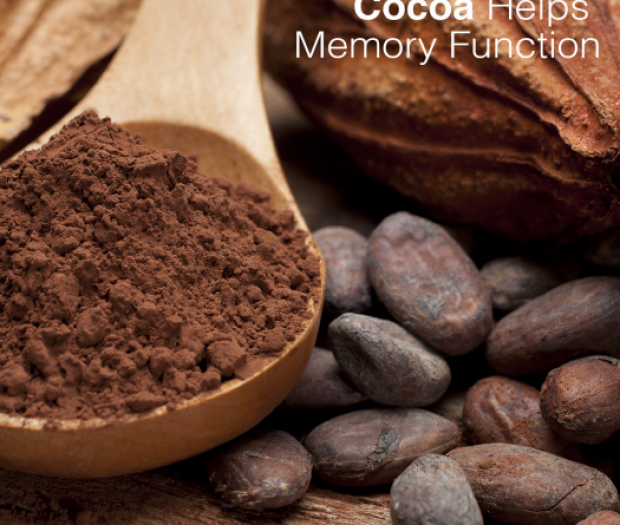
Cocoa Helps Memory Function

  • Cocoa Helps Memory Function

Cocoa compounds enhance a region of the brain that is used for memory. The dentate gyrus, a part of the hippocampus whose function declines in correlation to aging is therefore considered to be a possible source of age-related memory decline. A number of healthy men and women ages 50-69, were randomly assigned to receive either a high-flavanol diet or a low-flavanol diet for three months and underwent brain imaging and memory tests before and after the study. Researchers observed significant improvements in the function of the dentate gyrus in those who consumed the high-cocoa-flavanol drink as compared to the low-flavanol diet. It was found that a high-flavanol supplementation enhanced function, establishing that dysfunction is a major factor in age-related cognitive decline.


Vitamin D Supplementation

  • Vitamin D Supplementation

Those with neuromuscular disease have often been found to also have a vitamin D deficiency. In previous years, vitamin D deficiency has been associated with neurological disorders such as multiple sclerosis, myasthenia gravis and Parkinson’s disease. A more recent study suggests that this may be prevalent in other neuromuscular conditions as well. Research shows that vitamin D supplementation may help improve functioning in elderly patients as well as individuals with myasthenia gravis and Parkinson’s. These findings may push physicians to consider monitoring vitamin D levels in their patients and supplementing in cases of neurologic conditions.

Black Tea Can Reduce Cancer Risks

  • Black Tea Can Reduce Cancer Risks

New research suggests that tea, citrus fruits and juices may help stave off the risk of ovarian cancer. Studies show that dietary flavonoids significantly lower the chance of developing epithelial ovarian cancer, the fifth-leading cause of cancer death among women. Researchers say in particular consuming a couple of cups of black tea every day has been associated with a 31% reduction in cancer risk. The main sources of the protective compounds include tea, citrus fruits and juices, as well as red wine, apples and grapes, which are easily incorporated, making them simple yet effective dietary changes.

Leafy Vegetables Improve Eye Health

  • Leafy Vegetables Improve Eye Health

Green leafy vegetables may help improve visual processing because they contain carotenoid compounds, including lutein and zeaxanthin, which are important to eye health. Young, healthy men and women were enrolled in a study where they were randomly assigned to 3 groups: the first group received placebo, the second received zeaxanthin only and the third group received a mix of lutein, zeaxanthin and omega-3s. In both the group receiving zeaxanthin and the group receiving the combination supplement, researchers observed that visual acuity increased 12% while visual motor reaction time increased by 10%. Researchers say that supplementation resulted in significant improvements in visual processing speed.

Benefits of B-Complex

  • Benefits of B-Complex Vitamins

Beneficial to mental and emotional health, B-complex vitamins need to be replenished daily. During a study, adults ages 50 years and older who reported experiencing depression were given a combination of antidepressant medication, vitamin B12, folic acid and vitamin B6 over a year. Participants were monitored for changes and found that remission of symptoms were achieved by 75.8% and 85.5% after one year.  Results also showed a significant reduction in the risk of relapse among participants who took the B-vitamins. Researchers concluded that, while B vitamins did not increase short-term effectiveness of treatments, they did see improvement in antidepressant response after continued treatment.

Grass-fed vs. Grain-fed Meat

  • Grass-fed vs Grain-fed

Before there were “organic” labels, all meat was grass-fed until we began to manage animals’ diets in an effort to increase production and lower costs. Nowadays, there are all kinds of labels on the market, making it harder to discern which is healthiest. “Conventional” beef is the most common meat in the U.S. (95%) and comes from cows that have been injected with hormones and antibiotics and fattened with grains, making it nutritionally inferior as well as laden with pesticide residues and GMOs. Another type, “grass-fed, grain-finished”  refers to what you typically get when you buy “organic” beef in the U.S. and means that the cows were raised on pasture, but then fattened up with grains for 30 days. Alternatively, meat labeled “grass-fed, grass-finished” comes from cows that were raised entirely on pasture and contains more nutrients than grain-fed meat, including omega 3 fatty acids, trace minerals, and vitamins B, E, and K. All in all, nutrition experts advise against eating conventional meat altogether if possible and say that grain-finished meat is a step above conventional whereas grass-finished meat is the best option when deciding what to eat.

The Beverage of Champions

  • Beetroot Juice

In the past, studies suggested that dietary nitrate (NO3−) improves muscle function during exercise. Kansas State University colleagues recently found that beetroot juice can help increase blood flow to muscles during exercise by approximately 38%, especially to the less-oxygenated, fast-twitch muscles. After seeing that dietary nitrate supplementation via beetroot juice improves metabolic control in fast-twitch muscles, the study concluded that a drinking beetroot juice may be a method of inducing these beneficial effects during high-intensity workouts.

Artificial Sweeteners Cause Glucose Intolerance

Recent studies reported that non-caloric artificial sweeteners alter gut flora and promote glucose intolerance. Researchers found that feeding mice a mixture of saccharin, sucralose, or aspartame in place of regular drinking water increased blood sugar levels compared to a glucose solution or water alone, with saccharin showing the greatest impact. Saccharin-fed mice treated with gut bacteria-fighting antibiotics showed a reversal of the glucose intolerance. Researchers also evaluated non-diabetic subjects for artificial sweetener intake, blood sugar metabolism and gut microbiota and determined that those who consumed the most artificial sweeteners had higher fasting glucose levels, poorer glucose tolerance and altered gut bacteria levels compared to the subjects that did not consume artificial sweeteners. With reports from 2004 estimating that 15% of the population regularly used artificial sweeteners and from 2008 showing that 65% of American households bought at least one sucralose-containing product, researchers say their results beg for a review of non-calorie artificial sweeteners usage.

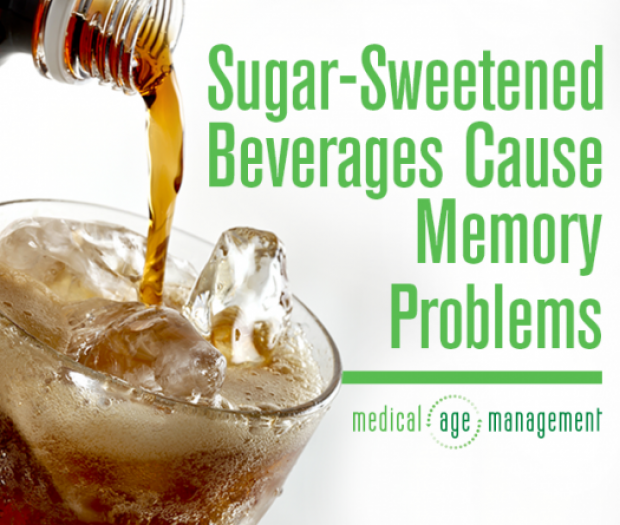
Sugar-Sweetened Beverages Cause Memory Problems

  • Sugar-Sweetened Beverages and Memory Problems

A study conducted at the University of Southern California showed that when rats consumed large amounts of liquid solutions with concentrations of sugar or high-fructose corn syrup (HFCS) comparable to popular sugar-sweetened beverages, they experienced memory problems, brain inflammation and became pre-diabetic. A series of tests were performed on 76 rats whose daily calorie intake consisted of 35-40% sugar or HFCS, resulting in impaired learning and memory. Experts say that the brain is especially influenced during periods of development and that consuming high amounts of sugar not only can lead to weight gain and metabolic disturbances, but can also negatively affect brain function and cognitive ability.

Promote Healthy Living Even During Times of Stress

  • Promote Healthy Living

Researchers say that it’s important to promote healthy living, especially during times of stress. Practicing healthy lifestyles can help combat the negative impact of stress on telomeres, a part of chromosomes whose rate of shortening is considered a sign of aging. Studies uncovered a significant decline in white blood cell telomere length related to major life stressors that occurred for postmenopausal women, which can accelerate immune cell aging in adults. However, participants of the study who regularly exercised, rested and maintained a healthy diet experienced less telomere shortening, even with similar stress levels. This study is the first to support the observation that stress can accelerate cell aging in adults and that positive lifestyles can help offset this aging. Make an appointment with Dr. Farnesi to learn how you can help slow the aging process by calling (619) 795-6700 or visiting www.manageyourage.com.

Medical Age Management is a premier anti-aging and aesthetic skin care service provider in Southern California.